Subtropical conditions along the Texas Gulf Coast create continuous biological pressure on residential building envelopes. In dense central communities like Montrose, The Heights, and West University Place, the German…
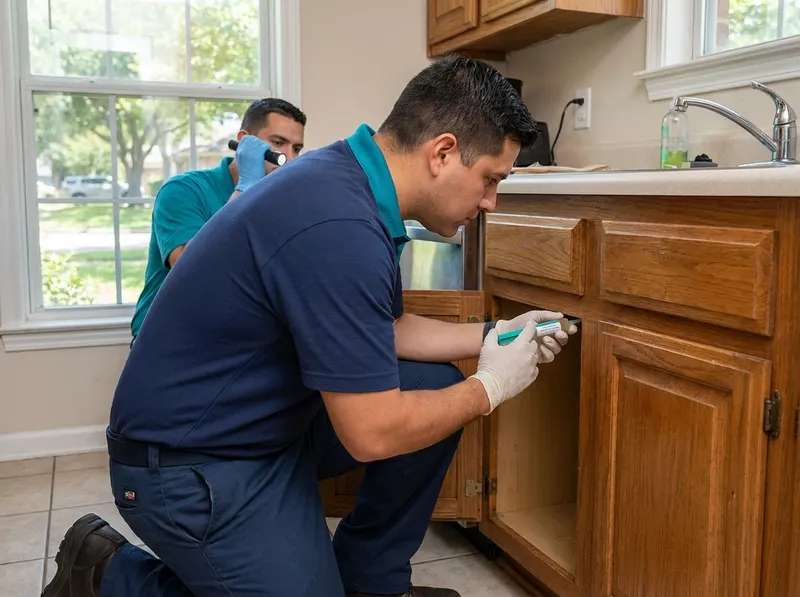
Subtropical conditions along the Texas Gulf Coast create continuous biological pressure on residential building envelopes. In dense central communities like Montrose, The Heights, and West University Place, the German cockroach (*Blattella germanica*) thrives indoors by colonizing mechanical gaps behind commercial-grade ranges, refrigerator compressor coils, and hollow cabinetry voids. Unlike larger outdoor peridomestic species, German roaches carry high reproductive capacities, producing up to 48 nymphs per egg capsule (University of Florida Entomology). Retail pyrethroid aerosol sprays often scatter these insects deeper into wall assemblies through repellency actions rather than achieving complete eradication. ZephyrShield Exterminators eliminates interior colonies by utilizing non-repellent formulations and low-toxicity baits regulated under strict EPA Integrated Pest Management standards. These precision compounds incorporate specialized insect growth regulators (National Pesticide Information Center) that arrest the molting cycle, halting population development without broadcasting airborne chemicals around infants or domestic pets.
Larger wood roaches and American cockroaches (*Periplaneta americana*), frequently referred to in Harris County as palmetto bugs, enter properties from bayou corridors, municipal storm lines, and dense ground-cover mulch. Properties throughout Memorial, River Oaks, and Meyerland experience elevated vector migrations from Buffalo Bayou Park and local drainage easements during extreme summer humidity or seasonal downpours. These 1.5- to 2.1-inch insects enter structures through unsealed plumbing penetrations, weepholes in structural brick veneer, and degraded crawlspace vents (Purdue Extension Entomology). Outdoor perimeter management requires continuous barrier defenses applied 3 feet up the foundation exterior and 5 feet out onto adjacent soil beds. Soil-borne moisture around heavily irrigated foundations in Kingwood or along bayou-adjacent properties in Clear Lake necessitates microencapsulated suspension chemistry that resists rapid hydrological breakdown from sustained Gulf Coast soil saturation.
1. Structural diagnostic inspection: Technicians locate active aggregation harbors, evaluate plumbing chases using high-lumen inspection tools, and measure indoor moisture differentials.
2. Non-repellent matrix installation: Target zones receive abamectin or dinotefuran gel matrices inside hidden cabinetry hinges and electrical junction voids out of reach of household pets.
3. Moisture envelope sealing: Technicians treat weep-screed lines and crawlspace access panels using dust desiccants approved under structural safety guidelines from the Pest Control Technology Technical Archive.
4. Engineered exterior perimeter barrier: Foundation perimeters receive microencapsulated suspensions alongside organic perimeter granules to deter peridomestic migration.
Selecting the appropriate elimination protocol depends entirely on the biological species identified during on-site testing. German cockroach control requires intensive multi-step interior void baiting and secondary hatch inspections spaced 14 to 21 days apart to interrupt new egg emergence, presenting an intensive focal indoor protocol. Conversely, American cockroach treatments prioritize structural exclusion, weephole screens, and external soil barriers to arrest recurring outdoor perimeter invasions. While standalone exterior treatments protect against perimeter migrations in neighborhoods like Oak Forest, structures exhibiting interior nesting colonies demand integrated interior-exterior treatments. Transparent estimates are established through physical inspection, where square footage, foundation type, and infestation severity dictate the scope without forcing multi-year service contracts.
Every job gets a firm, written price after a free on-site visit.
For standards, safe disposal, and service guidance on pest control services in Houston, TX, useful references include U.S. EPA, ENERGY STAR, U.S. Dept. of Energy, Consumer.gov, U.S. Census Bureau, and Google Maps. General consumer and small-business resources are available from USA.gov, Better Business Bureau, FTC Consumer Advice, U.S. Small Business Administration, and Ready.gov.
Tell us about your roach and cockroach elimination job in Houston and we'll send a clear, written quote, usually the same day.
 ZephyrShield Exterminators